
How to Choose a Baseball Bat
Learn about the basics when it comes to choosing the perfect baseball bat.
From barrel materials and drop weights to swing weights and construction methods, we know the bat-buying process comes with plenty of questions. This section breaks down the most common questions we hear from players and parents, helping you understand the key factors that influence bat performance and selection. Whether you're new to the game or looking to take the next step in your development, we'll help you navigate the technical details with clear, straightforward answers that make choosing your next Louisville Slugger bat simple and stress-free.
LEARN MORE ABOUT BASEBALL LEAGUES
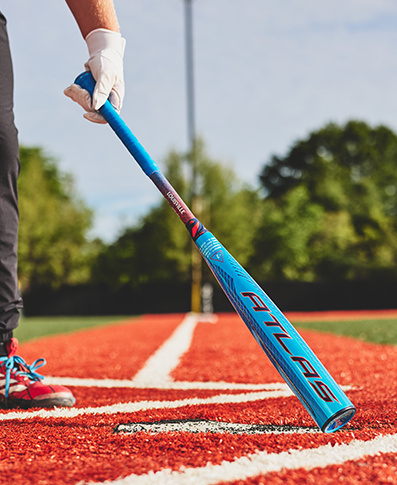
BBCOR
- (-3) drop weight
- 2 5/8" maximum barrel diameter
- Used in high school and college
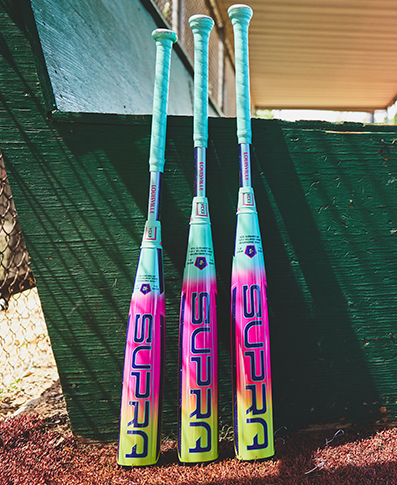
USSSA
- Wide range of drop weights
- 2 3/4" maximum barrel diameter
- Used in travel ball and Senior League
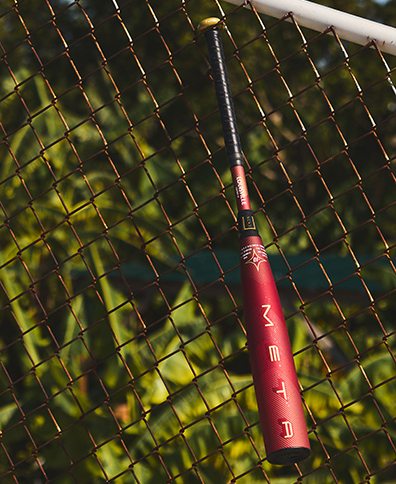
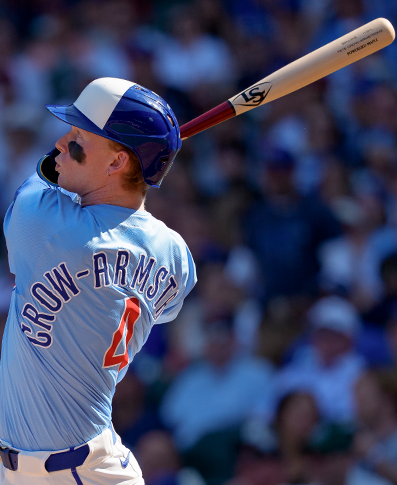
Wood Bats
- Maple, birch and some ash
- Wide variety of turning models
- Used from youth leagues to the pros
BAT SIZE CHARTS
Success at the plate often comes down to this: a bat that’s long enough to cover the strike zone, light enough to swing with ease, heavy enough to generate power, and, of course, permitted in your league.
LEARN MORE
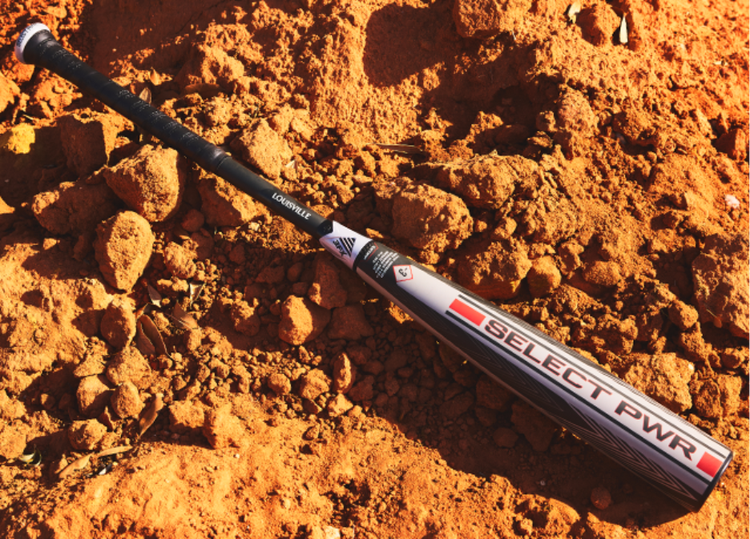
Length
Finding the right bat length is crucial to developing proper swing mechanics and maximizing your performance at the plate, as a bat that's too long can slow down your swing while one that's too short limits your plate coverage. Your ideal length should allow you to maintain complete control through your swing while still reaching the entire strike zone with the sweet spot of the barrel.
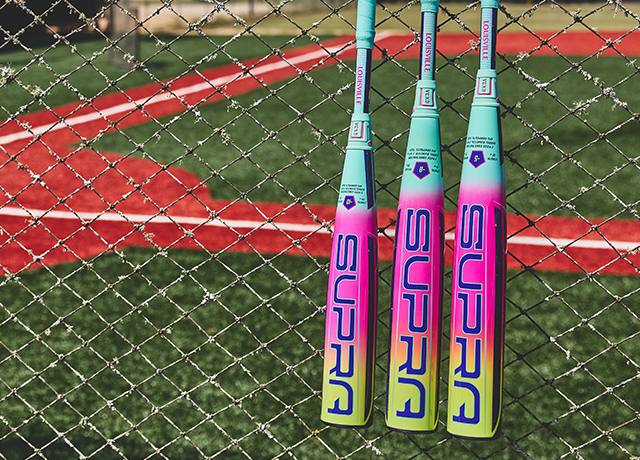
Drop Weight
Drop weight plays a crucial role for both baseball and softball players, directly impacting both your bat speed and ability to control the barrel through the hitting zone. Finding the right balance between weight and length helps you maintain proper mechanics while generating maximum power, making it essential to choose a drop that matches your strength and skill level.
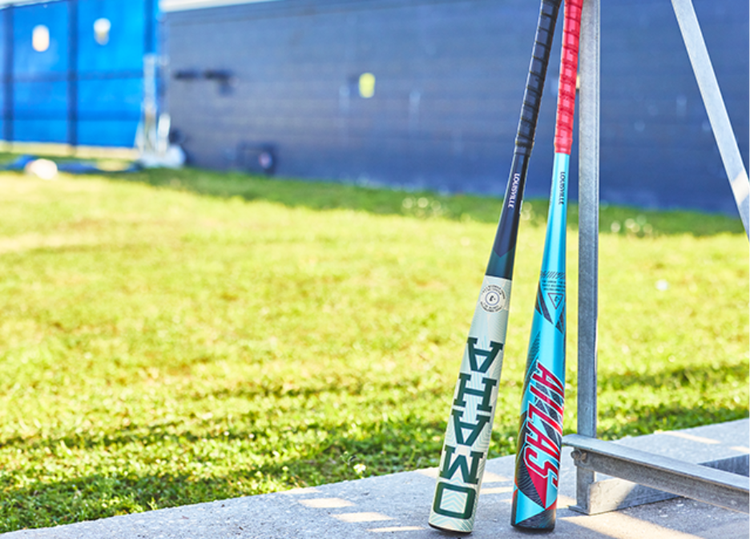
Swing Weight
A bat's swing weight - whether balanced or end-loaded - dramatically impacts how it feels during your swing. The length of your bat is the most important factor in determining swing weight. Find the correct length first, then adjust weight drop, if necessary. E.g. Even though a 30" (-10) is 20 oz. and a 29" (-8) is 21 oz., the 30" bat that is 1 oz. lighter will swing heavier than the 29".
BARREL MATERIAL
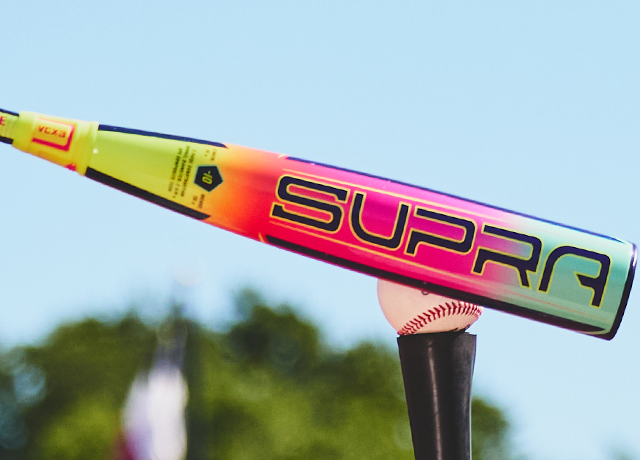
Composite
Composite bats like Supra deliver maximum performance through engineered barrel designs that create larger sweet spots and a more forgiving feel on contact. The two-piece construction helps minimize vibration and hand sting while allowing players to generate maximum power through the zone.
Alloy
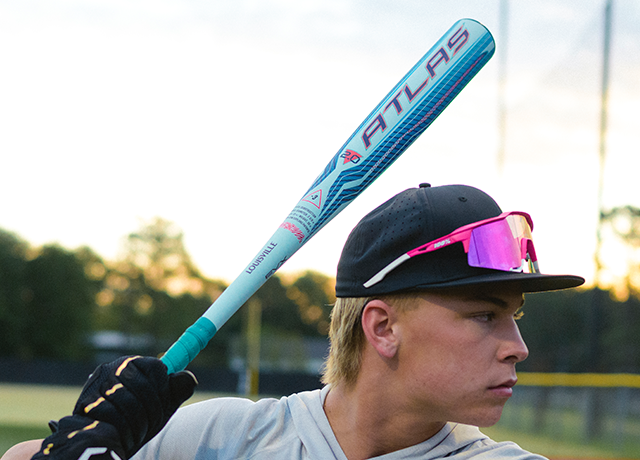
Alloy bats, such as Atlas, provide immediate performance right out of the wrapper with stiff, durable designs that hitters love. The one-piece construction delivers unmatched feedback and energy transfer on contact, helping players drive the ball with authority to all fields.
Wood
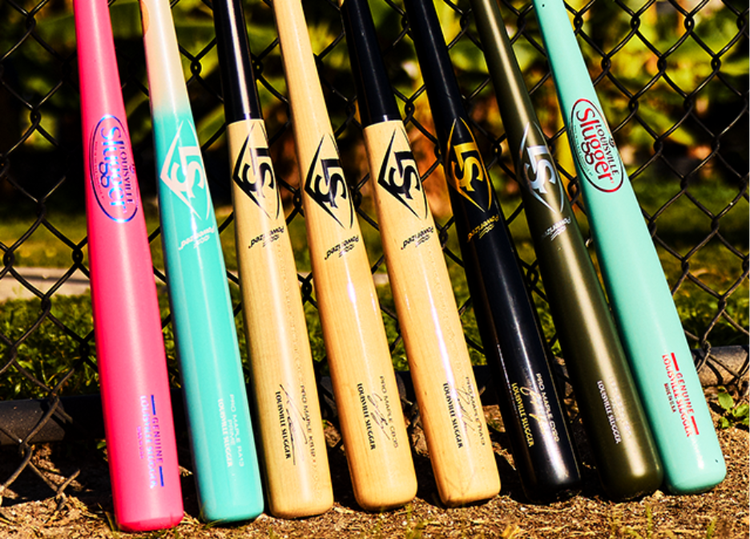
Wood bats are used in professional baseball and summer wood bat leagues, with premium materials and expert craftsmanship coming together to create the game's most authentic hitting experience. In today's game, most bats are crafted from Maple billets - and are available at a wide range of price points.
FAQs
To make sure your bat is legal and approved for play, look for the certification stamp:
· Youth: USA Baseball Bat or USSSA


· High School/College: BBCOR

· Fastpitch: USA (ASA) / NSA / ISA / USSSA

· Slowpitch: USA, USSSA, NSA, Senior Slowpitch



Yes. There are standard barrel diameters, depending on which type of bat you’re using.
· BBCOR: 2 5/8”
· USSSA: Up to 2 3/4"
· USA Baseball: Up to 2 5/8"
· Fastpitch: 2 1/4"
· Slowpitch: 2 1/4"
EXPLORE MORE HOW TO CHOOSE A BAT





OUT WITH THE OLD, IN WITH THE NEW
Trade in old bats - of any brand - for a voucher good toward the purchase of a new bat